Top search terms
Home
/
SANIMED Renal/Liver/Stones Dog - 3kg
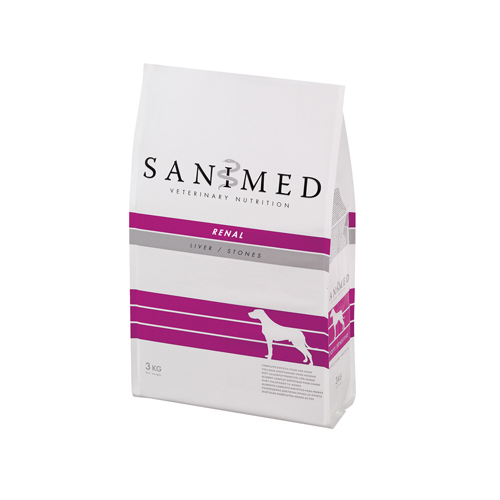
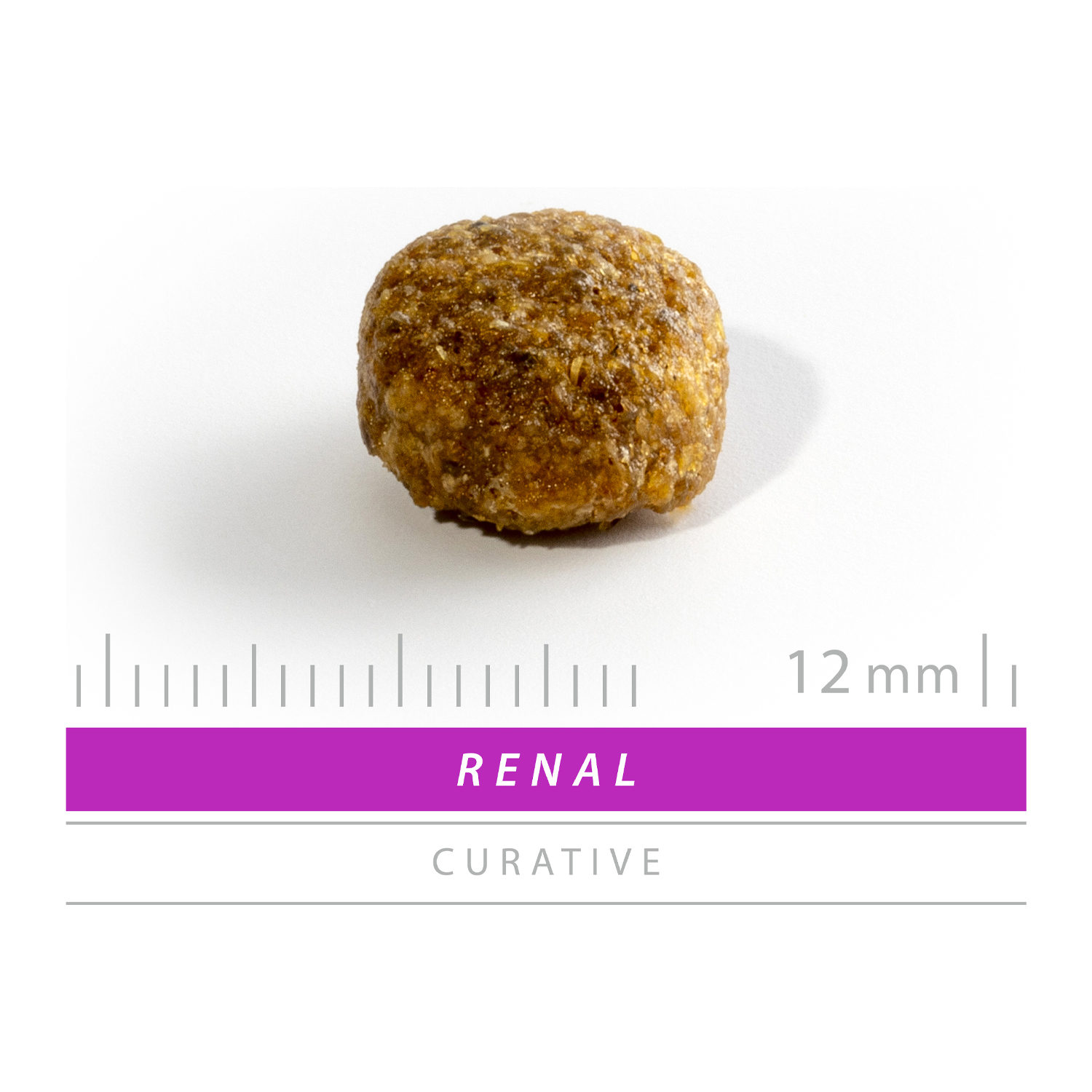
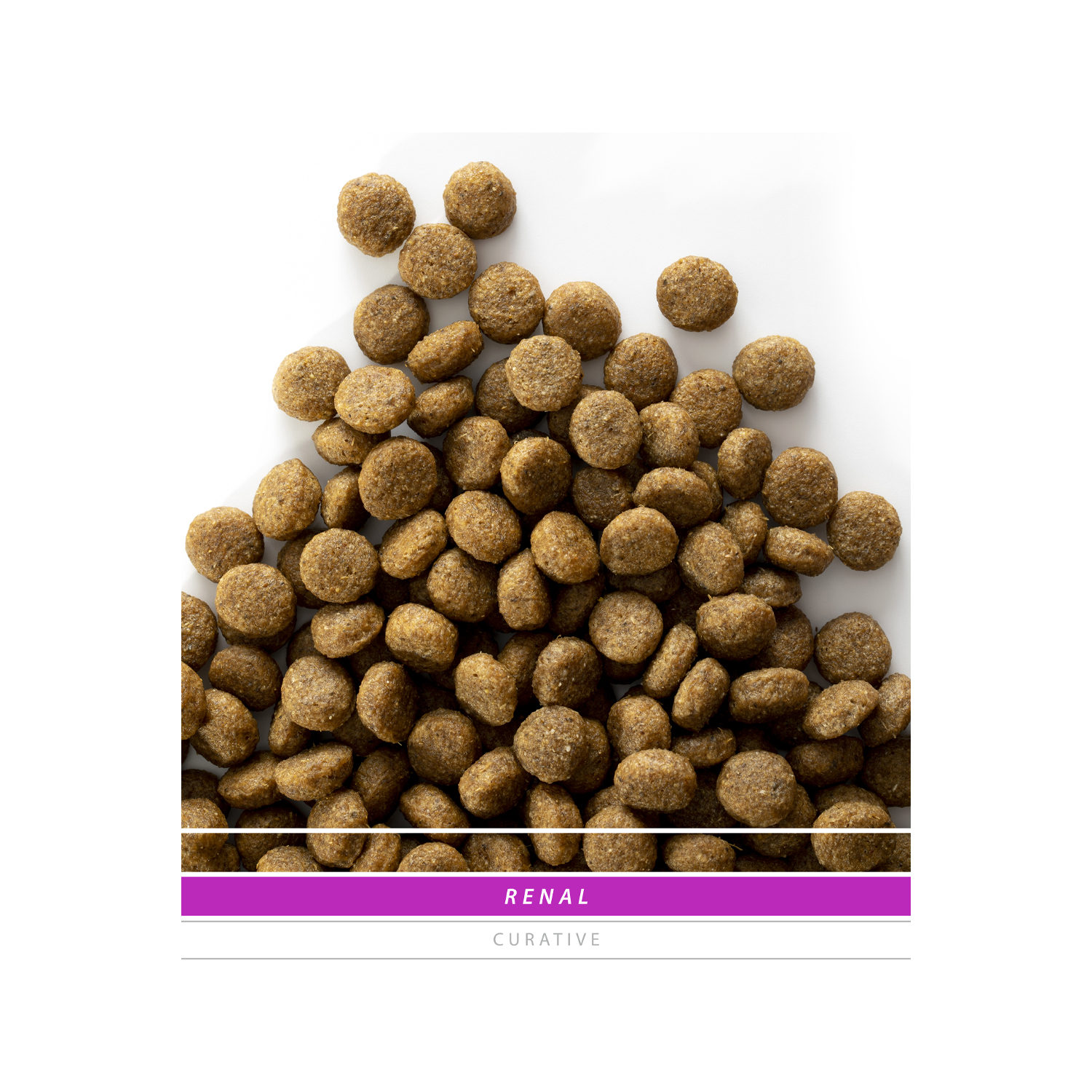
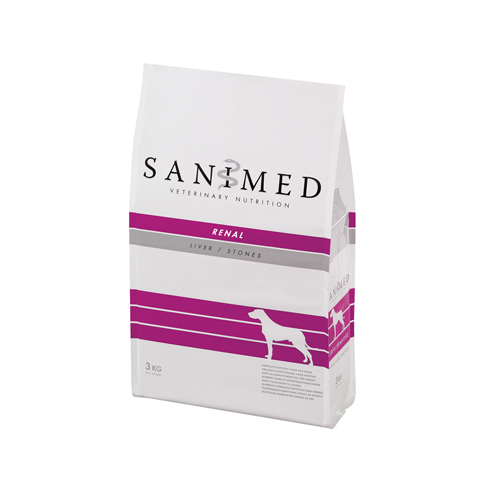
SANIMED Renal/Liver/Stones Dog - 3kg
Quantity
-
Detail
SANIMED Renal
SANIMED Renal contains a low phosphorus content to slow the loss of renal corpuscles. In addition, SANIMED Renal contains a high content of salmon oil. Salmon oil is rich in omega-3 fatty acids that improve blood flow to the kidneys and lower blood pressure. High levels of vitamin E protect kidney cells from further damage. In addition, the reduced protein content reduces the production of urea. The low salt content ensures that the blood pressure does not become too high.
SANIMED Renal is extremely suitable for the prevention and formation of calcium oxalate, cystine and ammonium urate. Since these types of bladder stones are mainly formed in acidic urine, the urine pH becomes slightly neutral after feeding SANIMED Renal. Protein is a building block of both oxalate and cystine. SANIMED Renal therefore contains a low protein content. The low calcium content reduces the calcium concentration in the urine, which decreases the formation of calcium oxalate.
SANIMED Renal is very tasty and therefore prevents further weight loss. The appetite of dogs with renal failure is often reduced, so it is recommended to switch gradually. Mix the current diet with SANIMED Renal for a few days.
Kidney function
The main job of the kidneys is to filter and remove waste products from the blood. This purification of the blood takes place in the so-called renal corpuscles. A kidney is made up of more than 1 million renal corpuscles. In renal failure, there is a decrease in the number of renal corpuscles, causing the kidneys to function insufficiently, which means that more moisture is lost. One of the symptoms of chronic renal failure is that your cat urinates frequently. To compensate for this loss, your cat will drink more and more. In addition to extra fluid loss, kidney failure does not purify the blood sufficiently. Eventually, waste products (which are normally excreted in the urine) build up in the blood, making the cat feel sick.
Indications
Chronic renal failure.
Liver insufficiency (excluding cholestasis and copper toxicity).
Bladder stones, bladder stones.Composition
Barley, maize, rice, animal fat (poultry), dehydrated poultry, dried beet pulp, fish oil, whole egg powder, yeast, maize gluten, hydrolysed chicken liver, minerals.
Analytical constituents
Crude protein 14.5%, crude fat 17%, crude fiber 3.2%, crude ash 4.3%, moisture 8%, calcium 0.5%, phosphorus 0.4% (available phosphorus 0.3 %), sodium 0.1%, magnesium 0.1%, potassium 0.6%, chloride 0.3%, sulfur 0.14%, hydroxyproline 0.29%, linoleic acid 2.9%, ?-linolenic acid 0, 25%, eicosapentaenoic acid 0.29%, docosahexaenoic acid 0.31%, arachidonic acid 0.04%, copper 4.3 mg/kg, vitamin D 575 mg/kg, methionine 0.69%, cystine 0.23%.
-
Customer ReviewsNo comments